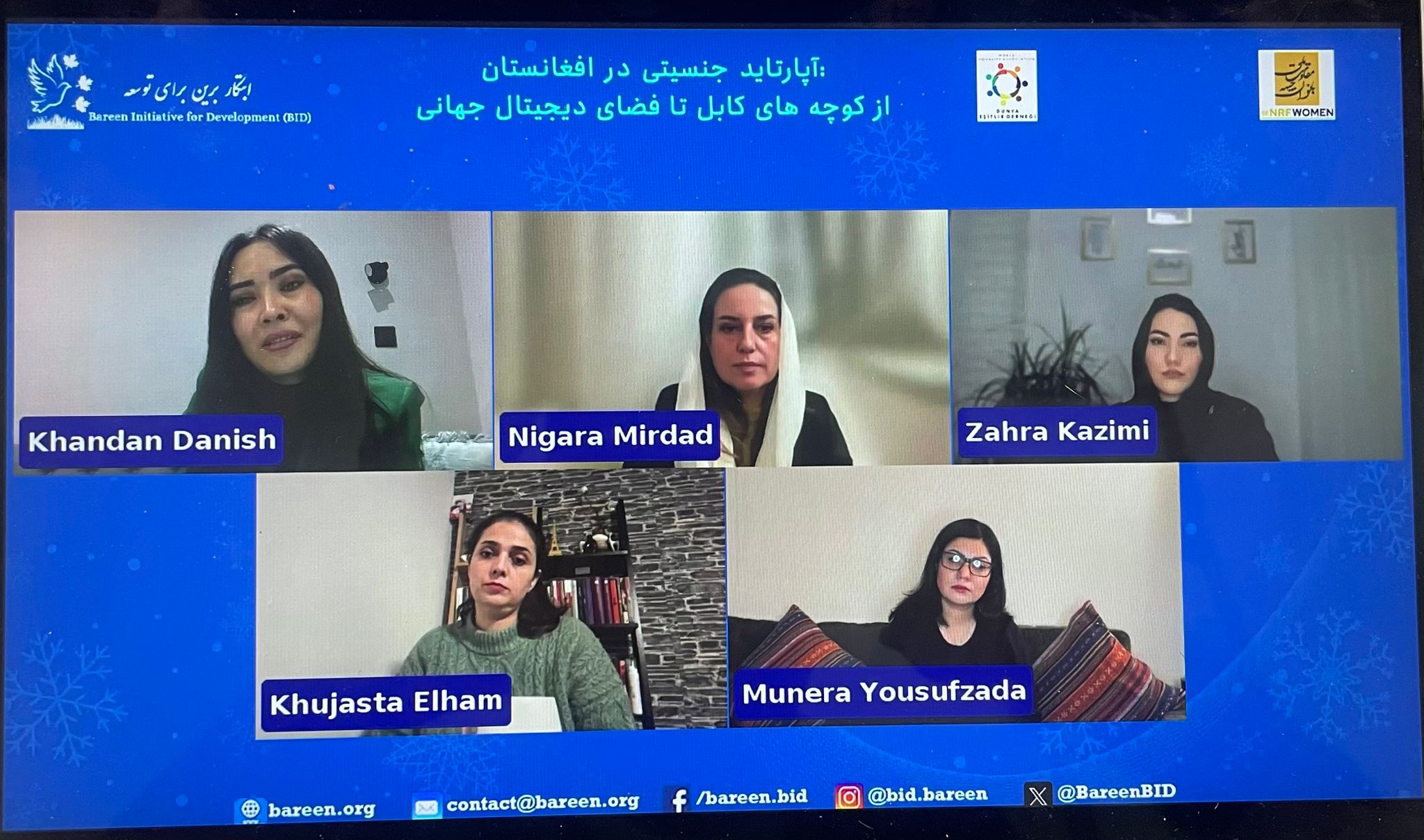
Gender Apartheid in Afghanistan: From Kabul’s Streets to the Global Digital Space

Concept Note Introduction Since the Taliban regained control in August 2021, Afghanistan has become the only country practicing institutionalized gender apartheid a term now formally discussed by UN experts as a crime against humanity. Over 80 decrees have systematically excluded women and girls from secondary and higher education, most forms of employment, and public spaces.…
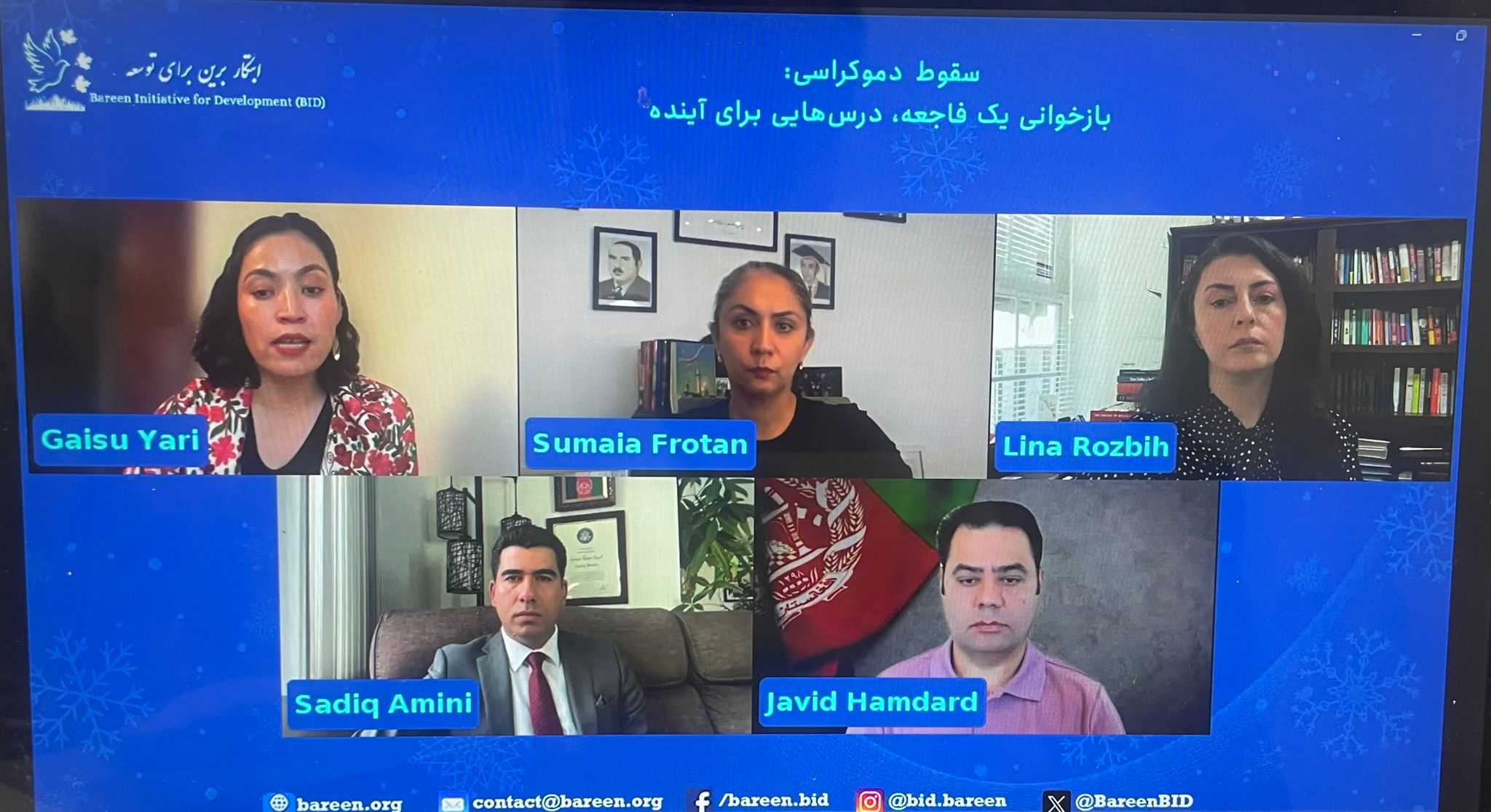
The Fall of Democracy: Reflecting on a Tragedy, Lessons for the Future

Concept Note IntroductionFour years have passed since the fall of Kabul to the Taliban in August 2021, an event that not only altered Afghanistan’s trajectory but also left profound implications for regional and global politics, human rights, and migration. This online seminar, marking the fourth anniversary of this pivotal moment, provides an opportunity to reflect…

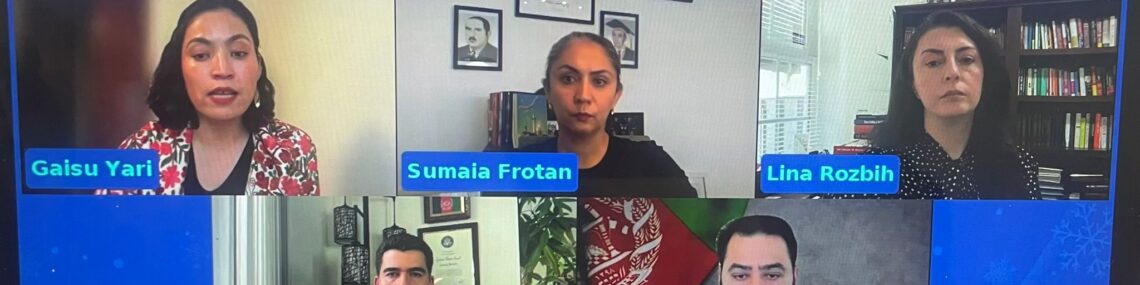
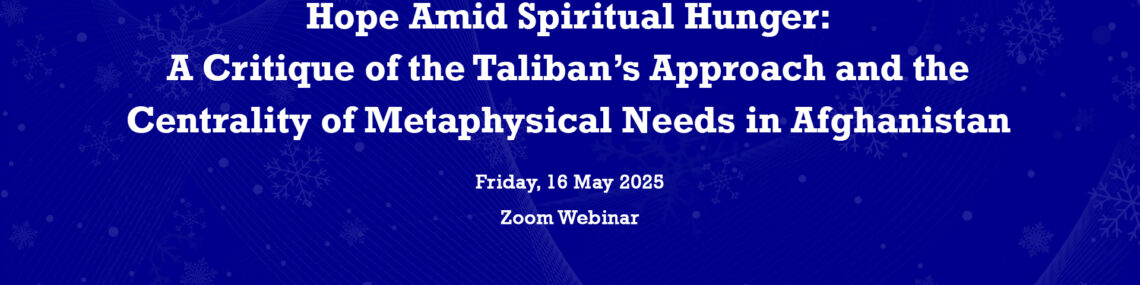
Hope Amid Spiritual Hunger: A Critique of the Taliban’s Approach and the Centrality of Metaphysical Needs in Afghanistan

Concept Note Introduction  Since the Taliban’s takeover of Afghanistan in 2021, the country has been ensnared in a vortex of livelihood and humanitarian crises. With a singular focus on addressing basic needs such as food and shelter, the Taliban has instrumentalized these essentials as tools to consolidate power and gain political legitimacy. Yet, in this…

Reviving Democratic Aspirations: Afghanistan’s Path Forward

Concept Note Background: Afghanistan has undergone significant political shifts in recent decades, with moments of democratic progress interrupted by periods of authoritarian rule. The Taliban’s return to power has resulted in a severe democratic backslide, restricting civil liberties, human rights, and governance structures. Despite these challenges, the aspirations for democracy remain strong among Afghans both…