
Introduction: A Spark of Light Amid Darkness
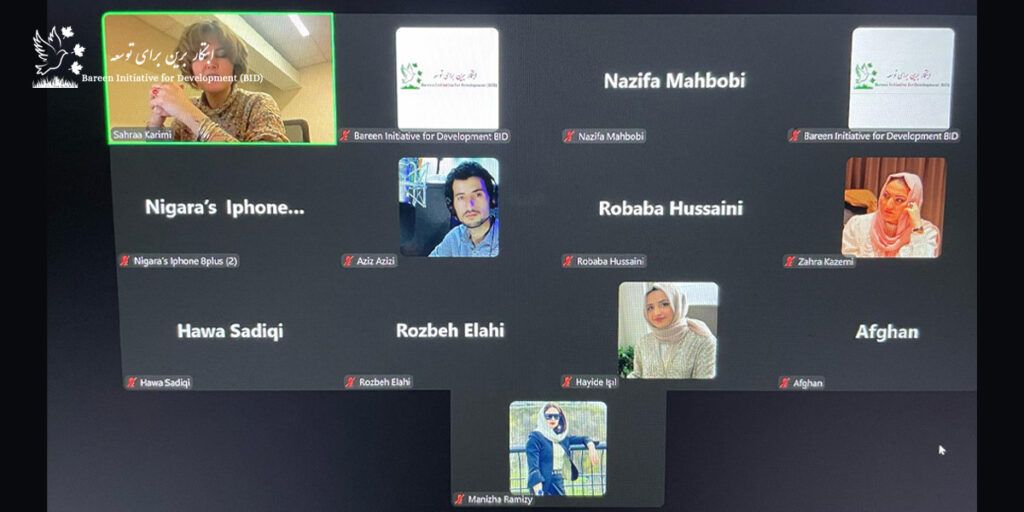
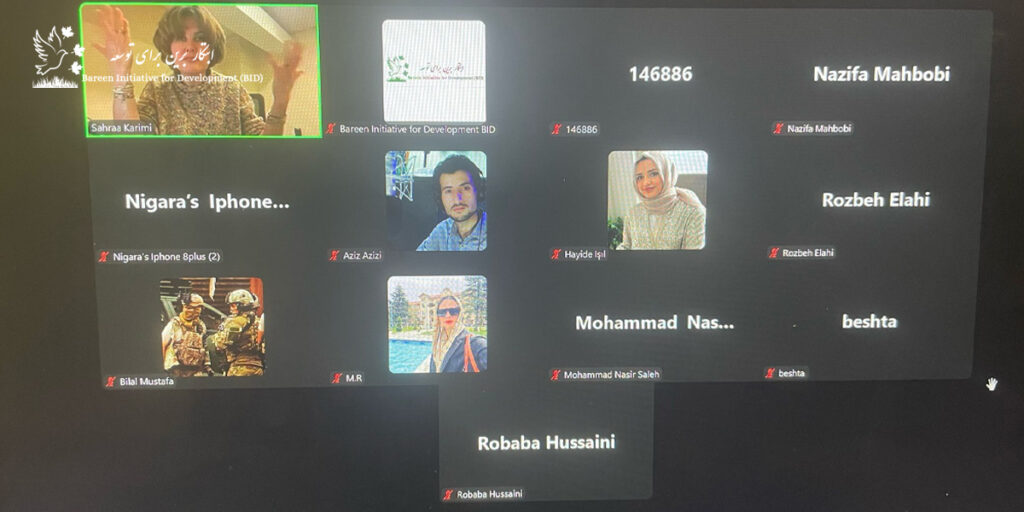
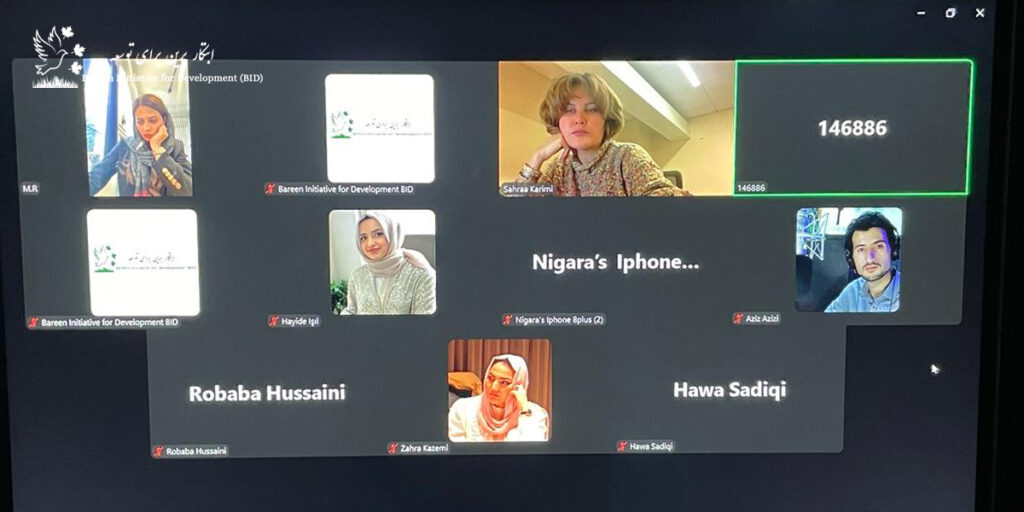
On March 27 and 28, 2025, Bareen Initiative for Development (BID) hosted an event that shone like a beacon through the darkness of Taliban rule over Afghanistan. The “Bareen Democracy Forum,” organized by the “Bareen Initiative for Development (BID),” convened under the banner ” Reviving Democratic Aspirations: Afghanistan’s Path Forward” This two-day gathering was more than a conference—it was a symphony of voices; a convergence of civil activists, academics, diplomats, and youth whose hearts still beat with hope, united to forge a democratic future from the ashes of oppression. The forum offered a space to hear the un silenced voices and chart a course toward liberation from the grip of extremism.
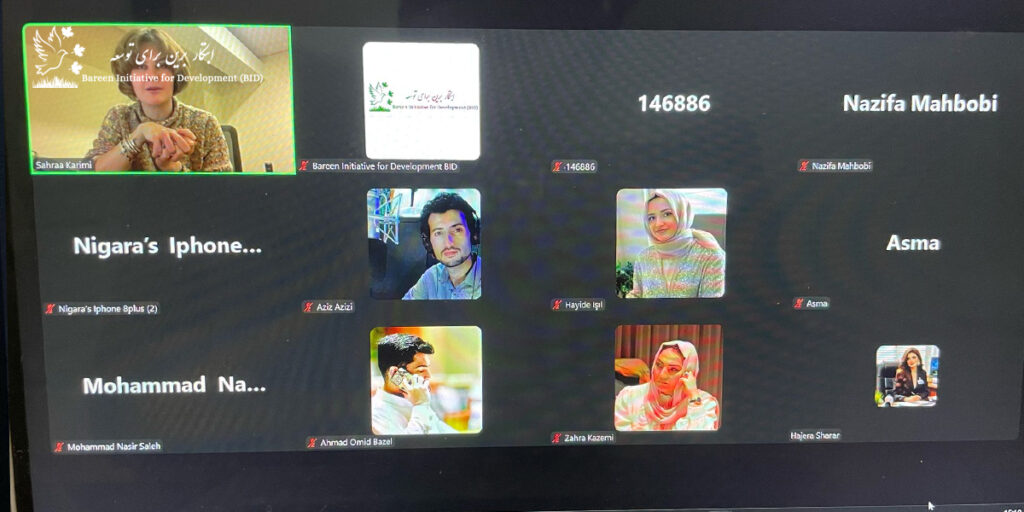
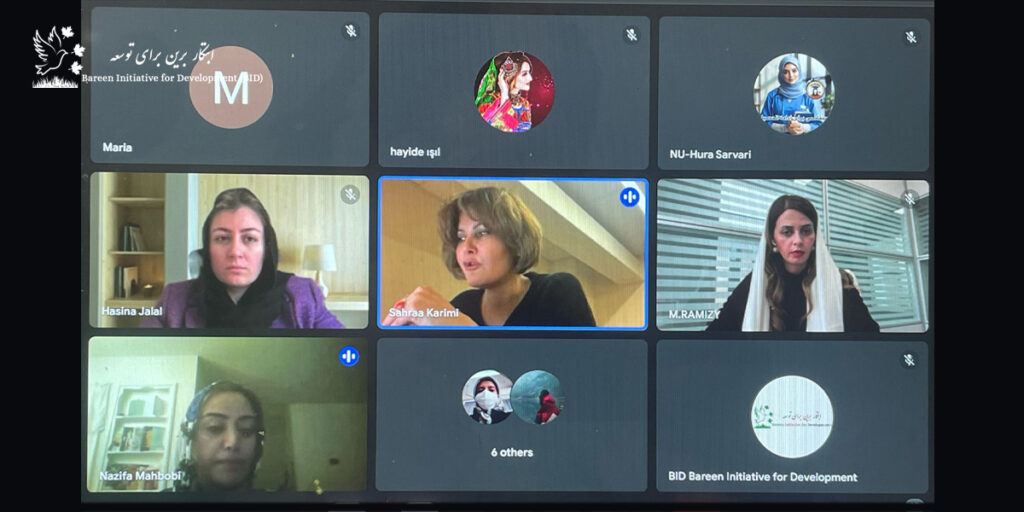
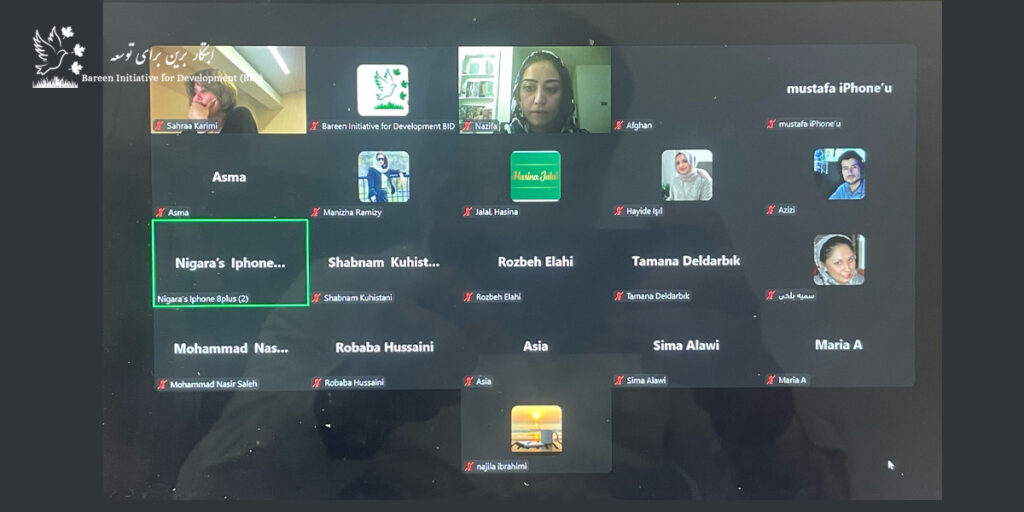
Program Details: A Global Call to Action
The forum unfolded over two dynamic days, starting at 10:00 AM New York time on the first day and concluding on the second. Its schedule was thoughtfully designed to connect Afghans and their allies worldwide: 6:30 PM in Kabul, 5:00 PM in Turkey, 3:00 PM in France. Live streaming bridged distances, ensuring that voices could resonate across borders.
The discussion panel was a blend of courage, wisdom, and inspiration:
- Mrs. Nazifa Mahboobi, a journalist whose sharp questions kept the conversation alive.
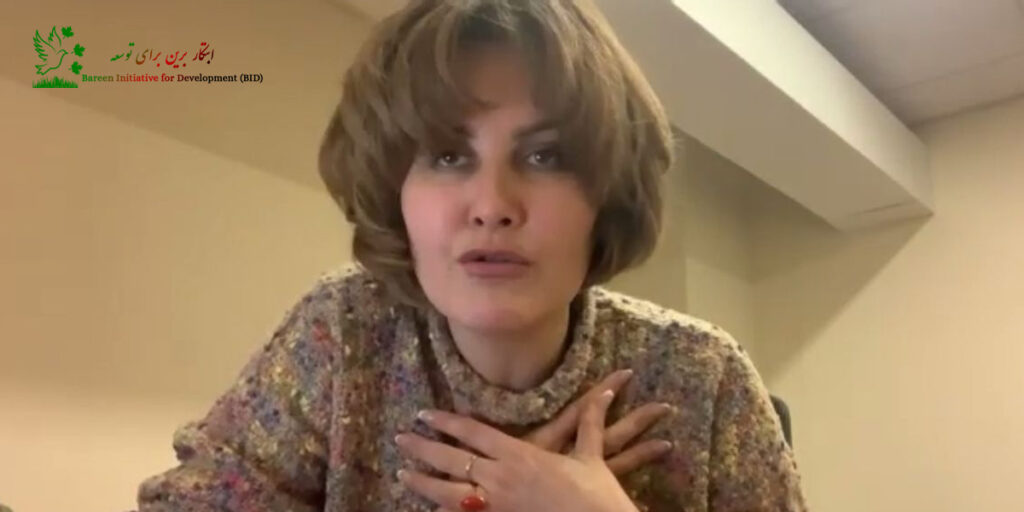
- Dr. Sahraa Karimi, University Lecture & Fim Director who has brought art into the battlefield.
- Mrs. Manizha Ramezy, University Lecture & Author whose words sketch the future.
- Ms. Nigara Mirdad, a diplomat amplifying Afghanistan’s voice from Poland.
- Mrs. Hasina Jalal, a human rights activist & University Lecturer whose heart beats for justice.
These individuals were not mere speakers—they were torchbearers illuminating the path through the gloom.
Key Discussion Themes: From the People’s Soul to the Arena of Action
The forum was a journey into the depths of Afghanistan’s needs, dreams, and solutions. Each theme opened a window to a hope that refuses to fade.
1. Metaphysical Needs: Healing a Nation’s Broken Spirit
Dr. Sahraa Karimi spoke with a voice woven with pain and hope: “Afghanistan today needs more than food and shelter. We need to rebuild our identity; a hope that says tomorrow still belongs to us.” She spoke of the Extremist groups (Taliban), a force that has not only imprisoned bodies but targeted the Afghan soul by suppressing culture and art. Mrs. Manizha Ramezy, with a profound gaze, added: “Literature, education, and our own stories can heal these wounds. We must rediscover who we are.” Here, it became clear that democracy is not just voting—it’s living with dignity and freedom.
2. Unity of Anti-Taliban Forces: Together or Perish
Mrs. Hasina Jalal declared with resolve: “We face an enemy that can only be defeated through solidarity. The fragmentation of political, military, and civil anti-Taliban forces is the greatest gift to them.” She called for a united front, one that binds politicians, fighters, and activists under a single purpose.
Ms. Nigara Mirdad emphasized: “Without global diplomatic support, this unity won’t take shape. We need international pressure.” This discussion was a wake-up call: stand together, or fall apart.
3. Emergence of Young Leadership: A Generation Redefining Tradition
Mrs. Nazifa Mahboobi ignited the debate with a bold question: “Isn’t it time for traditional leadership to step aside and let the youth lead?” Mrs. Hasina Jalal responded: “The old guard, with all due respect, no longer meets today’s needs. The youth, with their courage and fresh vision, will build the future.” Dr. Sahraa Karimi highlighted young women: “Girls who’ve studied and shouted under Taliban shadows are the pioneers of change.” This segment heralded a generation unwilling to linger in the past—a generation that doesn’t just want democracy but understands it.
4. The Need to Revive Democracy: Why and How
Mrs. Manizha Ramezy said with quiet conviction: “Democracy without awakened minds is impossible. We must start with education, media, and social networks.” Ms. Nigara Mirdad spoke of the world’s role: “The Taliban must be forced to retreat through global pressure.” Mrs. Hasina Jalal placed women at the heart of the struggle: “Without women, democracy is incomplete. They must be central.” This section clarified not just the why, but the how.
Roadmap to Reviving Democracy: Outmaneuvering and Defeating the Extremist
The Extremist groups, with their rejection of democracy and clinging to archaic beliefs, stand as the primary obstacle. Yet their defeat is not a dream—it’s an achievable goal if we follow this roadmap with precision and courage:
- Forming a Broad Anti-Extremist Coalition: Political, military, and civil anti-Taliban forces must unite. This coalition needs shared leadership, a clear agenda, and a unified voice. Youth and women should not be tokens but the driving intellect behind it.
- Global Diplomatic and Economic Pressure: The international community must isolate the Taliban with smart sanctions, cutting off their financial lifelines and refusing recognition. This will cripple their fragile economy.
- Digital Education and Awareness: The Taliban can’t fully control the internet. Online platforms should be leveraged to teach democracy, history, and human rights. Radios and social media are tools to awaken the populace.
- Strengthening Internal Military and Civil Forces: Anti-Taliban military groups, such as those in mountainous regions, need equipment and training. Simultaneously, covert civil networks in cities should be organized to lead grassroots protests.
- Networking Young and Female Leaders: A global network of Afghanistan’s youth and women must emerge to strategize and act. This network can support the inside from the outside, destabilizing the Taliban internally.
- Cultural Revival: Promoting Afghanistan art, music, and literature will rekindle national identity. This undermines the Taliban, who are enemies of culture, on an ideological level.
- Preparing for Power Transition: When the Taliban weaken, a democratic framework must be ready to fill the void. This structure must be inclusive, transparent, and rooted in the participation of women and youth.
This roadmap outmaneuvers the Taliban not through negotiation but through isolation and collapse. Those who don’t grasp democracy have no place in a free Afghanistan. This path leads our land to liberation.
Conclusion: A Hope Set in Motion
The Bareen Democracy Forum was more than a gathering—it was the launchpad of a movement. It proved that democracy in Afghanistan, despite Taliban dominance, still breathes—in the dreams of the youth, the cries of women, and the resolve of a people unbroken. From the need to heal a collective spirit to uniting anti-Taliban forces, from the rise of new leadership to a clear roadmap to defeat the Taliban, everything came alive in these two days.
This forum was a triumph, not just for its words but for the direction it set. The “Bareen Initiative for Development (BID)” demonstrated it can be a hub of hope and action. This is not the end but the beginning of a journey to freedom. Afghanistan’s future lies in our hands—if we move forward together, with courage and faith.
Suggestions for Future Bareen Democracy Forum Programs
This event showcased the potential of the “Barin Democracy Forum.” To sustain this momentum, here are suggestions for future programs:
- Forum on “The Role of Women in Rebuilding Democracy”: A dedicated session exploring ways to amplify women’s roles in politics, society, and the anti-Taliban struggle, spotlighting success stories of Afghan women in exile.
- Workshop on “Digital Democracy Education”: A hands-on program to train Afghan youth inside and outside the country, focusing on using technology to promote awareness and organize civil efforts.
- Conference on “Global Coalition for a Free Afghanistan”: A gathering of politicians, diplomats, and international activists to form a global front supporting democracy in Afghanistan and pressuring the Taliban.
These initiatives could be the next steps in this vital movement.
Concept Note English
Policy Paper English
Policy Paper Persian
Report English
Report Persian